


Artificial intelligence is rapidly changing the way websites are planned, designed, written and built. For business owners, AI can make the web design process faster, more efficient and more affordable. For designers and developers, it can speed up research, content creation, coding, testing and optimisation.
However, AI is not a replacement for professional web design. Used badly, it can create generic content, poor layouts, inaccurate information and websites that look unfinished or lack personality. Used properly, it can be a powerful tool that supports creativity, improves productivity and helps create better websites.
The key is understanding where AI is useful, where human expertise is still essential, and how to combine the two effectively. This is especially important when planning a professional business website, where design, content, performance and SEO strategy all need to work together.
What AI Can Do in Website Design
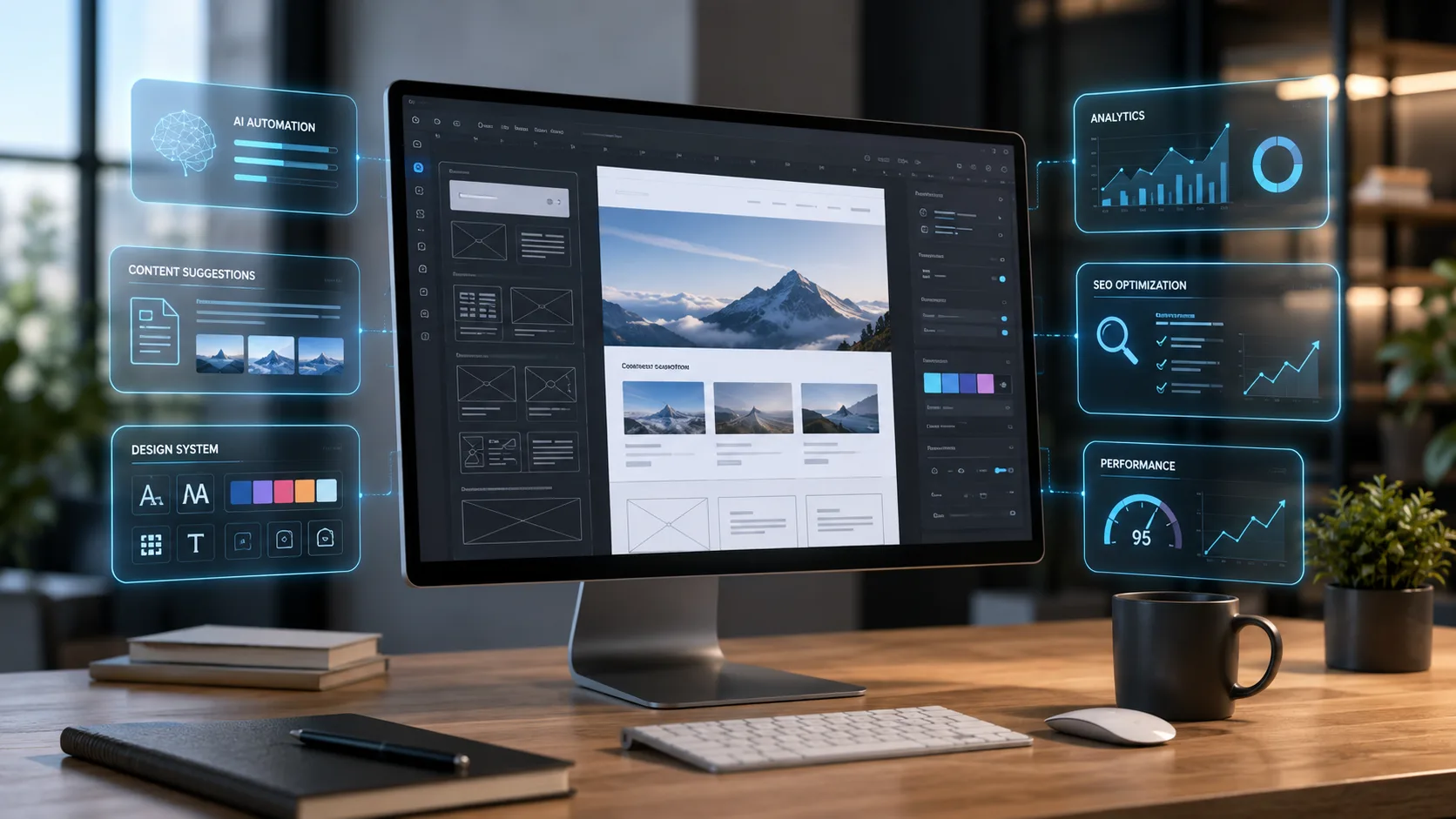
AI can assist with many parts of the web design process. It can help generate ideas, plan page structures, write draft content, suggest layouts, create images, improve code and identify potential SEO opportunities.
For example, AI can be used to brainstorm website ideas, create first drafts of website copy, suggest headings and calls to action, generate image concepts, help write HTML, CSS, JavaScript or PHP, improve existing content, create meta titles and descriptions, analyse competitors and plan blog articles.
This can save a huge amount of time, especially during the early stages of a project. Instead of starting with a blank page, AI can provide a strong starting point that can then be refined by a professional designer or business owner. For businesses planning a new site, this works best alongside proper WordPress development, clear messaging and a strong conversion strategy.
Why AI Should Not Replace Human Web Design
Although AI is useful, it should not be relied on to build an entire website without human input. A successful website needs more than text, images and code. It needs strategy, branding, user experience, trust signals, conversion planning, technical performance and search engine optimisation.
AI does not fully understand your business, your customers, your tone of voice, your local market or your long-term goals unless it is carefully guided. It may also produce content that sounds good but is vague, repetitive or inaccurate.
A professional web designer brings judgement. They know what should be included, what should be removed, how a page should flow, what will help users take action, and how to make the website feel credible and trustworthy.
AI can assist with the work, but it should not be allowed to make all the decisions. If you are looking for a more strategic approach, our web design in St Albans service is built around creating websites that look professional and support real business goals.
Use AI for Ideas, Not Final Decisions
One of the best ways to use AI in website design is for idea generation. It can help you explore different approaches quickly.
For example, you could ask AI to suggest homepage section ideas for a local service business, different headline options for a landing page, FAQ questions customers may ask, blog topics based on your services, or ways to explain a complex service more simply.
This is extremely useful, but the results should be reviewed carefully. Not every suggestion will be suitable. Some may be too generic, too sales-focused or not relevant to your audience.
The best approach is to use AI as a creative assistant, then apply human judgement to choose the strongest ideas.
Use AI to Draft Website Content
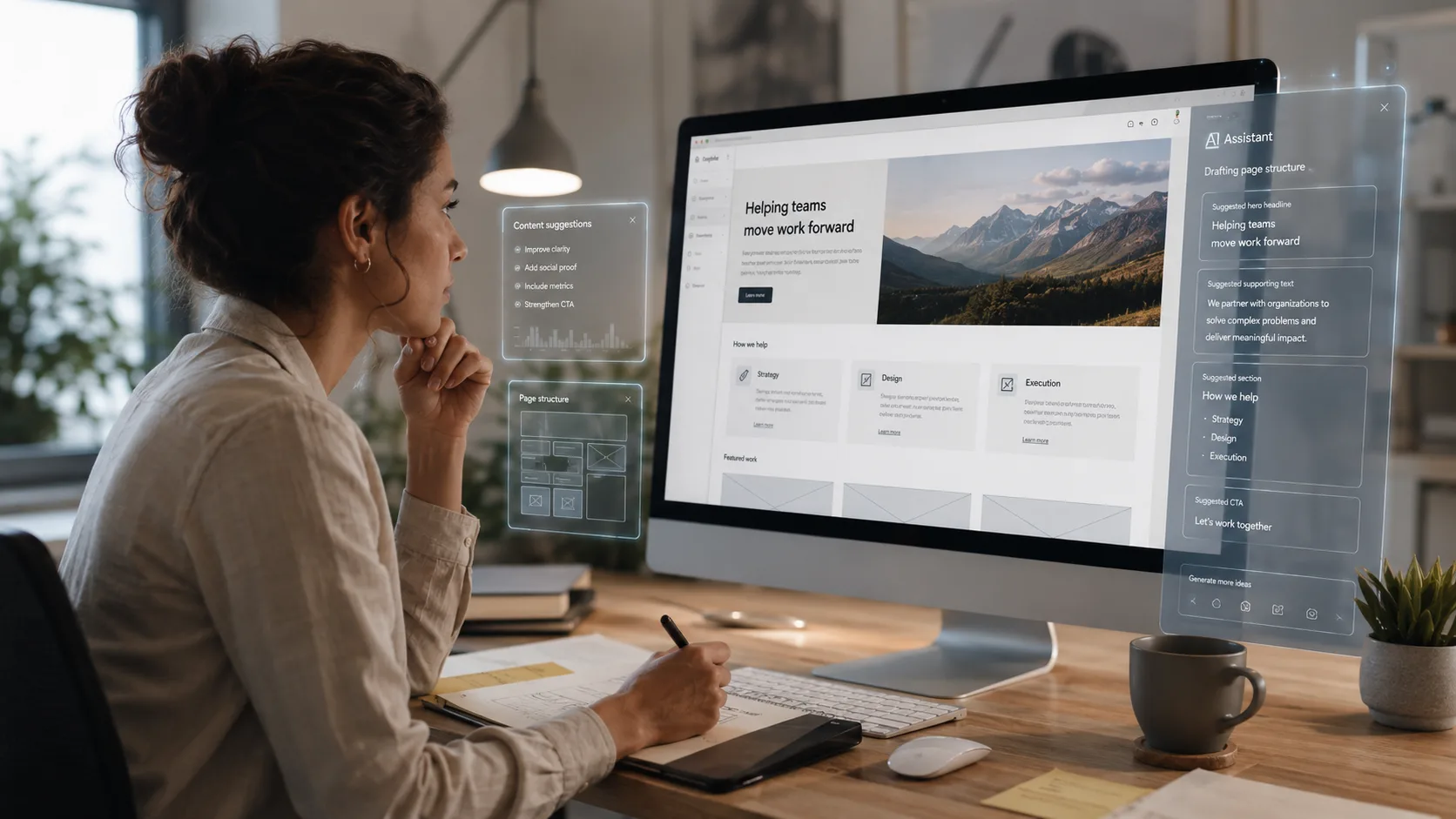
AI can be very helpful when writing website content, especially when creating a first draft. Many business owners struggle to describe their services clearly, and AI can help structure the information in a more professional way.
However, AI-generated content should always be edited. It often needs to be made more specific, more personal and more accurate.
Good website content should include what the business actually does, who the service is for, the areas covered, the benefits to the customer, the process involved, why the business can be trusted and clear calls to action.
AI may create a decent draft, but it is the human input that makes the content believable and useful. This is also where SEO matters, because content should be written for users while still supporting the search terms your business wants to be found for.
Avoid Generic AI Content
One of the biggest risks of using AI in web design is ending up with generic content. Many AI-written websites sound very similar. They use phrases such as “tailored solutions”, “high-quality service”, “take your business to the next level” and “we are passionate about helping our clients succeed”.
These phrases are not necessarily wrong, but they are overused. They do not tell the visitor anything specific about the business.
To use AI properly, you should give it detailed information. Instead of asking it to “write a homepage for a web design company”, provide details about the services, location, target customers, pricing style, tone of voice and what makes the business different.
The better the input, the better the output.
Use AI to Improve User Experience
AI can help identify ways to make a website easier to use. You can ask it to review a page structure and suggest improvements to the user journey.
For example, AI can help answer questions such as whether the page is easy to understand, whether the call to action is clear, whether there are too many sections, whether important information is missing, whether the content could be simplified, and whether the headings are in a logical order.
This can be useful when planning landing pages, service pages and homepage layouts. However, the final user experience still needs to be tested by real people. AI can make suggestions, but actual visitors decide whether a website is clear and convincing. Reviewing examples of completed projects, such as those in a website design portfolio, can also help identify what works well in real business websites.
Use AI Carefully for SEO
AI can be useful for search engine optimisation, but it needs to be used carefully. It can help create keyword ideas, draft meta titles, write FAQs and suggest page structures. It can also help identify content opportunities for local SEO.
For example, a web design business may use AI to plan separate service pages for different locations, create article ideas around website costs, or draft FAQs about web design, hosting and maintenance.
However, AI should not be used to mass-produce low-quality SEO pages. Search engines are becoming better at recognising unhelpful content. Pages should be written for real users first, with SEO built in naturally.
Proper SEO content should be useful, specific and relevant. It should answer real questions and provide genuine value. For local businesses, this is especially important when targeting competitive searches such as SEO services in St Albans.
Use AI for Coding Support
AI can be very helpful for coding tasks. It can explain errors, suggest improvements, create snippets and help with HTML, CSS, JavaScript, PHP and WordPress development.
This can speed up development, especially for repetitive or technical tasks. For example, AI can help create custom CSS, fix layout issues, write schema markup, build simple functions or troubleshoot WordPress templates.
However, AI-generated code should always be checked. Code can contain mistakes, security issues or compatibility problems. It may also solve one issue while creating another.
For professional websites, code should be tested properly before being added to a live site. Once a site is live, regular website maintenance also helps keep it secure, updated and performing properly.

Use AI for Image Concepts, But Keep Branding Consistent
AI image generation can be useful for creating visual ideas, hero images, blog graphics and design concepts. It can help when stock photos feel too generic or when a business needs a specific type of image that is difficult to find.
However, AI images should be used with care. Some may look unrealistic, include strange details or feel inconsistent with the rest of the website. They also need to match the brand style, colours and tone of the site.
Before using AI images on a website, check that they are high quality, relevant to the page, consistent with the brand, not misleading, properly optimised for web performance and given appropriate alt text.
Images should support the content, not distract from it.
Keep the Human Touch
The most effective websites feel clear, trustworthy and personal. They show that there is a real business behind the screen. This is where human input matters most.
AI can help write content, but it cannot replace real experience, customer understanding or brand personality. A website should include genuine information about the business, real services, real locations, real examples and clear reasons why someone should make an enquiry.
Customers are more likely to trust a website that feels authentic. If the whole site feels like it was generated automatically, it may fail to build confidence.
Check Everything AI Produces
AI can make mistakes. It can invent facts, misunderstand instructions or produce content that sounds confident but is inaccurate.
Before publishing AI-assisted content, always check facts and claims, spelling and grammar, tone of voice, service details, contact information, location information, legal or industry-specific claims, SEO metadata, image accuracy and code quality.
AI should speed up the process, not remove the need for quality control.
The Best Way to Use AI in Web Design
The best approach is to use AI as part of a professional workflow.
A sensible process would be to plan the website strategy manually, use AI to generate ideas and draft content, edit the content so it matches the business, design the layout around the user journey, use AI to support coding and optimisation, test everything manually and refine the website based on real feedback.
This approach gives you the speed of AI without losing the quality, personality and judgement that a good website needs.
Conclusion
AI is a powerful tool in modern website design, but it works best when used properly. It can help with ideas, content, SEO, coding, image concepts and website planning. It can save time and improve efficiency, especially when guided by someone who understands web design.
However, AI should not replace human creativity, strategy or attention to detail. A successful website still needs clear messaging, strong branding, good user experience, technical quality and a genuine understanding of the customer.
The best websites will not be created by AI alone. They will be created by people who know how to use AI intelligently as part of a wider web design process. If you would like help planning a professional website, explore our digital services or request a quote through the site.